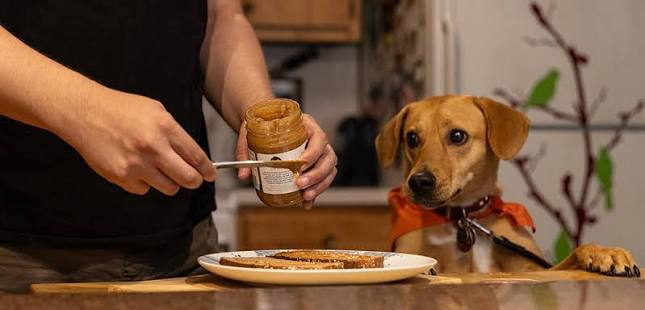
I stood in the veterinary exam room holding a bag of dog food that cost eighty dollars and had a picture of a wolf running through a forest on the front. The vet was looking at Boone’s bloodwork with her brow furrowed. “His liver enzymes are still elevated,” she said. “And he has gained another two pounds since his last visit. What exactly are you feeding him?”
I looked at the bag in my hands like it was a diploma. “This one,” I said, pointing to the word “holistic” printed in earth-tone letters. “It’s grain-free. Natural. The guy at the pet store said it’s one of the best.”
She turned the bag over and pointed to the ingredient list. The first item was a named meat, which sounded good. But the next four were pea starch, pea protein, potato protein, and lentils. The guaranteed analysis showed thirty-five percent protein, but a huge chunk of that was coming from plant sources, not meat. The fat content was higher than Boone needed for his activity level. And the feeding guidelines on the back suggested three and a half cups a day for a dog his size—an amount that would have turned him into a barrel with legs.
I had fallen for the oldest trap in pet ownership. I thought nutrition was a buying decision. I thought expensive packaging and words like “ancestral” and “wild” meant I was doing right by my dog. In reality, I was free-feeding him a calorie-dense, plant-bulked diet that was stressing his liver, packing on weight, and leaving him nutritionally hungry despite a full bowl. I did not understand how to read a label. I did not know how many calories he actually needed. I did not realize that “grain-free” was a marketing trend with a body count. I was killing him slowly with my ignorance, and I was paying a premium to do it.
If you are standing in the pet food aisle feeling overwhelmed by fifty bags that all claim to be the best, or if you are pouring food into a bowl and hoping for the best while your dog gains weight or loses energy, I am writing this for you. Pet nutrition is not a mystery. It is math, biology, and common sense. And once you strip away the marketing, it is surprisingly simple to feed your dog or cat exactly what they need.
Why Pet Food Marketing Is Designed to Confuse You
The pet food industry is a forty-billion-dollar machine built on your anxiety. They know you love your pet. They know you will pay more if you believe the alternative is harm. So they use words that have no legal definition—“natural,” “holistic,” “premium,” “human-grade”—and they print pictures of wolves and raw meat on bags filled with rendered fat and legume starch.
I used to think the ingredient list was the whole story. It is not. It is only part of it. I used to think grain-free was healthier because dogs are carnivores. They are, but they are also scavengers who have evolved alongside humans for fifteen thousand years, and most dogs digest grains just fine. I used to think “meat by-products” were automatically evil and “chicken meal” was low-quality filler. The opposite is often true. I was so busy reacting to marketing that I never learned the actual science of what my dog needed to thrive.
The consequences were real. Boone was thirty-six pounds at his heaviest, which was four pounds over his ideal weight for his frame. That does not sound like much until you realize that four extra pounds on a medium dog is the equivalent of a human carrying thirty extra pounds. His coat was dull. He had intermittent soft stools. He was hungry all the time because the food was high in calories but low in satiety. And his liver was processing an enormous amount of plant protein and carbohydrates that his body was not designed to handle in those ratios.
I did not need a better brand. I needed a better understanding.
Step-by-Step: The Nutrition System That Rebuilt Boone From the Inside Out
This is not a diet plan. It is a framework for thinking about food. Once you learn these steps, you can evaluate any bag, any diet, and any trend with confidence.
Step 1: Learn to Read the Label Like a Scientist, Not a Shopper
The front of the bag is advertising. The back is information. Here is what actually matters.
The AAFCO statement. This is the baseline. Look for a sentence that says the food is “formulated to meet the nutritional levels established by the AAFCO Dog Food Nutrient Profiles” for a specific life stage—growth, maintenance, or all life stages. If it does not have this statement, it is a treat or a supplement, not a complete diet.
The first five ingredients. Ingredients are listed by weight before processing. A named meat or meat meal—like “chicken” or “chicken meal”—should be first. “Chicken meal” is not inferior to “chicken.” It is simply chicken with the water removed, which means it is a more concentrated protein source. “Meat by-products” is a vague term that can include nutritious organ meats or low-quality renderings. I avoid it because I want transparency. “Meat and bone meal” without a named species is a red flag.
The guaranteed analysis. This tells you the minimum percentages of crude protein and crude fat, and the maximum percentages of crude fiber and moisture. But here is the trick: these percentages are measured by weight and include water. Wet food looks lower in protein than dry food because it is mostly water. To compare apples to apples, you need to convert to a dry matter basis, or simply look for the calorie content.
The calorie content. This is the number that matters most, and most people ignore it. It is usually listed as “ME (Metabolizable Energy)” in kcal per kilogram or kcal per cup. Boone’s old food was four hundred and twenty calories per cup. His new food is three hundred and sixty calories per cup. That sixty-calorie difference, multiplied over two cups a day, is why he was gaining weight despite eating “the recommended amount.”
Step 2: Calculate How Much Your Pet Actually Needs
The feeding guide on the bag is a starting point for an average active dog. Your dog is not average. Boone is a middle-aged, neutered, apartment-dwelling dog with early arthritis and a tendency to gain weight. The bag’s recommendation would have overfed him by twenty percent.
I learned to calculate his Resting Energy Requirement (RER) using his ideal weight, not his current weight. The formula is simple: take your dog’s ideal weight in kilograms, raise it to the 0.75 power, and multiply by seventy. For Boone, at his ideal weight of about fourteen and a half kilograms, his RER is roughly 640 calories per day. Then you multiply by a factor based on activity: 1.6 for typical neutered adult dogs, up to 2.0 or more for working dogs. For Boone, 1.4 is appropriate. That puts him at about 900 calories per day.
But here is the part that changed everything: I stopped using a measuring cup. Cups are wildly inconsistent. A “cup” of one kibble might weigh ninety grams. A “cup” of another might weigh one hundred and twenty grams. That is a thirty percent difference in calories. I bought a digital kitchen scale and started weighing his food in grams. His morning meal is exactly one hundred and ten grams of kibble. His evening meal is exactly one hundred and ten grams. I know the exact calorie count because I know the kcal per kilogram of his food. Precision is what took the guesswork out of his weight management.
Step 3: Feed on a Schedule, Not on Autopilot
I used to fill Boone’s bowl in the morning and let him graze all day. This is called free-feeding, and it is one of the worst habits for pet health. It destroys your ability to monitor appetite. A dog who is suddenly not hungry is giving you critical health data, but if the bowl is always full, you never notice. It also contributes to obesity, because dogs will eat out of boredom just like humans do.
I switched to two scheduled meals, eight to ten hours apart. Breakfast at 7 a.m. Dinner at 5 p.m. I put the food down. He has fifteen minutes to eat. If he walks away, the bowl comes up until the next meal. This did two things. It gave him appetite regulation, which improved his digestion. And it gave me a daily health report. When Boone left breakfast untouched one Tuesday morning, I knew immediately that something was off. It turned out to be a mild stomach bug, but because I caught it within hours, I could adjust his food and monitor him instead of discovering it days later when he was dehydrated.
Scheduled feeding also makes medication and supplement timing easy. Boone gets his fish oil and joint supplement with breakfast. If he were grazing, I would never know if he consumed them.
Step 4: Match the Diet to the Life Stage and Medical Reality
Puppies need growth formulas with carefully balanced calcium and phosphorus to prevent bone disorders. Adult dogs need maintenance formulas that support lean muscle without excess calories. Senior dogs often need adjusted protein levels, lower sodium, and added joint support—but “senior” is not a legally defined category, so you must read the nutrient profile, not just the marketing.
When Boone’s liver enzymes came back elevated, I did not just buy a “senior” food. I worked with my vet to find a diet with moderate, highly bioavailable protein from animal sources, lower copper content, and reduced fat to ease the workload on his liver. For his early arthritis, I added an omega-3 supplement from wild-caught fish oil, specifically for the EPA and DHA anti-inflammatory properties. For his dental disease, I incorporated a veterinary dental diet as a portion of his evening meal to reduce tartar buildup.
Your pet’s food should be a medical decision, not a lifestyle brand. If your dog has kidney disease, they likely need restricted phosphorus. If they are prone to pancreatitis, they need ultra-low fat. If they have food allergies, they need a limited-ingredient diet with a novel protein. The bag cannot know your dog’s bloodwork. You and your vet must.
Step 5: Add Fresh Food Safely and Strategically
Kibble is convenient, but it is processed. I wanted to add fresh, whole foods to Boone’s diet for micronutrients, fiber, and satiety. But I did not want to unbalance his diet or introduce toxins.
I follow the ten percent rule: no more than ten percent of his daily calories come from unbalanced extras. That means fresh toppers, not meal replacements. His breakfast gets a tablespoon of plain canned pumpkin for fiber and digestive regularity. His dinner gets a few blueberries or a small piece of cooked green bean for antioxidants and bulk without calories. Once a week, he gets a small sardine in water for omega-3s and flavor.
I also know what is toxic. Grapes and raisins cause kidney failure. Onions and garlic damage red blood cells. Xylitol, an artificial sweetener, triggers insulin release and hypoglycemia. Macadamia nuts cause neurological symptoms. Cooked bones splinter and perforate intestines. Chocolate is well-known, but the others are just as deadly and more commonly left within reach.
If you want to feed a fully homemade or raw diet, you must do it with veterinary guidance. Most homemade diets are deficient in calcium, vitamin D, zinc, and essential fatty acids unless they are formulated by a board-certified veterinary nutritionist. I am not against raw or homemade feeding. I am against doing it blindly and calling it natural.
Step 6: Treat Water and Bowl Hygiene as Nutrition
This is the step everyone skips. I used to pour kibble into a plastic bowl that had been sitting on the floor for three days, and I changed Boone’s water when I remembered. Plastic bowls harbor bacteria in scratches. Stale water discourages drinking. And dehydration masquerades as hunger—dogs will eat when they are actually thirsty.
I switched to stainless steel bowls. I wash them with hot soapy water daily. I change his water twice a day, and I add a second water bowl in a different room to encourage drinking. For his kidney and liver health, adequate hydration is non-negotiable. If your pet eats dry kibble, they need even more water to process it. A dog on dry food should drink roughly one ounce of water per pound of body weight daily. Boone drinks about thirty-two ounces, and I monitor his intake by refilling a measured pitcher each morning.
5 Mistakes That Will Undo Even the Best Food
These are the specific errors I made that turned an expensive bag of kibble into a health liability.
1. Trusting the bag’s feeding guide over your dog’s body condition. The guide on the bag is designed to sell more food. It assumes an active, intact dog. Boone is neither. I fed him according to the chart, and he got fat. Now I feed him according to the scale and his waistline.
2. Free-feeding and ignoring appetite changes. When the bowl is always full, you lose your earliest warning system. Appetite is data. Scheduled meals turn that data into a daily report you cannot miss.
3. Falling for the grain-free fad without understanding the risk. I bought grain-free food because it sounded healthier. Then the FDA released warnings about a potential link between grain-free, legume-heavy diets and dilated cardiomyopathy (DCM) in dogs. Boone’s old food was loaded with peas and lentils. I was not helping him. I was gambling with his heart. Unless your dog has a diagnosed grain allergy, grains are not the enemy. Poor-quality ingredients and unbalanced ratios are.
4. Switching foods abruptly. I once changed Boone’s food overnight because I found a better brand on sale. He had diarrhea for four days. Now I transition over ten to fourteen days: twenty-five percent new food for three days, fifty percent for four days, seventy-five percent for three days, then full switch. Gut bacteria need time to adapt.
5. Not counting treats and chews as calories. I was feeding Boone a measured, perfect diet of kibble. Then I was handing him three hundred extra calories a day in dental chews, training treats, and the crusts from my sandwich. Those calories count. They count just as much as the food in the bowl. Now I measure his treats into a daily jar. When the jar is empty, treats are done.
Real Examples: What Boone Eats in a Real Week
To show you this is not theory, here is Boone’s actual nutrition plan.
Morning (7 a.m.): One hundred and ten grams of a veterinary-recommended moderate-protein kibble. One teaspoon of plain canned pumpkin. One pump of wild Alaskan salmon oil. One joint supplement chew. Water.
Evening (5 p.m.): One hundred and ten grams of the same kibble, mixed with a tablespoon of warm water to soften it slightly and enhance aroma. A few blueberries or a small piece of cooked carrot. One dental diet chew (calorie-counted into his daily total). Water.
Treats throughout the day: Measured into a small jar. Usually small pieces of freeze-dried liver or single-ingredient chicken jerky. Total treat calories: under ninety per day.
Weekly additions: One small sardine in water (not oil or salt). Occasionally a spoonful of plain Greek yogurt for probiotics if his stool looks off.
His weight dropped from thirty-six pounds to thirty-two pounds over four months. His coat went from dull and slightly greasy to soft and shiny. His energy stabilized—no more post-meal crashes or frantic hunger. His liver enzymes, rechecked six months after the diet change, had normalized. His vet said the food change was likely the single biggest factor.
Frequently Asked Questions
How do I choose the right food when there are so many options?
Start with the AAFCO statement and the calorie content. Look for a named animal protein as the first ingredient. Avoid foods that rely on plant proteins like pea protein or potato protein to inflate the protein percentage. Match the life stage to your pet. Then evaluate your individual pet’s response: coat quality, stool consistency, energy, and weight. The right food is the one that keeps your pet lean, energetic, and healthy—not the one with the best commercials.
Is grain-free dog food actually better?
For the vast majority of dogs, no. Grain-free diets became popular through marketing, not science. Whole grains like brown rice and oats provide useful fiber and nutrients. The FDA has investigated a link between grain-free, legume-heavy diets and dilated cardiomyopathy in dogs. Unless your dog has a diagnosed allergy to grains verified by an elimination diet, there is no proven benefit to going grain-free, and there may be risk.
Can I feed my dog a homemade or raw diet?
You can, but it is difficult to do correctly. Most homemade diets are deficient in calcium, essential fatty acids, and trace minerals unless formulated by a veterinary nutritionist. Raw diets carry risks of bacterial contamination and bone fragments. If you are committed to homemade feeding, consult a board-certified veterinary nutritionist who can design a balanced recipe for your specific dog. Do not follow internet recipes or wing it.
How much should I really be feeding my dog?
Calculate based on your dog’s ideal body weight and body condition score, not the bag. Use the RER formula or a reputable calorie calculator, then adjust based on activity. Weigh the food on a digital scale. Reassess every month. If you can see a waist from above and feel the ribs with light pressure, you are in the right zone. If not, adjust by ten percent and re-check in two weeks.
What human foods are absolutely toxic to dogs?
The most dangerous are xylitol (found in sugar-free gum, peanut butter, and baked goods), grapes and raisins, onions and garlic, macadamia nuts, chocolate, and cooked bones. Alcohol and caffeine are also lethal in relatively small amounts. When in doubt, do not feed it. Stick to dog-safe whole foods like plain pumpkin, blueberries, green beans, and small amounts of plain cooked meats.
Conclusion: Food Is Medicine You Serve Twice a Day
I used to think Boone’s health was determined by vet visits, vaccines, and luck. I now understand that the most powerful medical intervention I make is the one I perform every morning and every evening. It is the food in his bowl. It is the measured portion. It is the fresh water. It is the decision not to free-feed, not to over-treat, and not to be swayed by wolves on packaging.
Pet nutrition is not about finding the perfect bag. It is about understanding the needs of the specific animal in front of you and meeting those needs with precision and consistency. Boone’s liver enzymes normalized not because of a miracle drug, but because I stopped feeding him like a billboard and started feeding him like a patient.
Look at your pet’s bowl tonight. Read the label. Weigh the portion. Count the treats. Ask yourself if you are feeding the dog you have, or the dog the marketing department invented. Then make one change. Switch to a schedule. Buy a scale. Replace the plastic bowl. Call your vet about a diet that matches your pet’s bloodwork.
The food you choose today will determine the health your pet has in five years. Choose like it matters. Because it does.